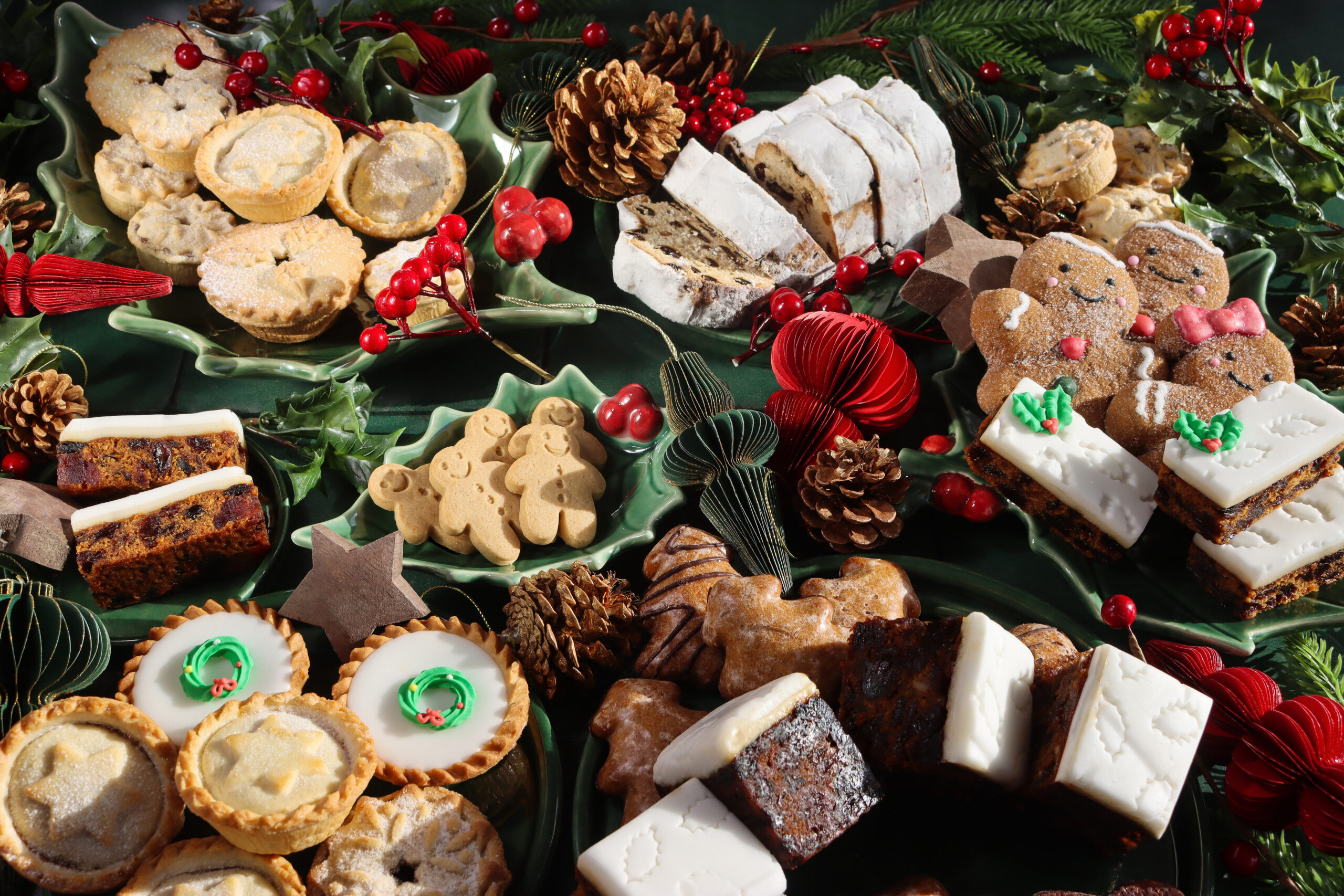
Christmas food isn’t just about turkey and the trimmings; it is a perfect opportunity for food and drink brands to get creative and sparkle with innovation. It is the time of year when shoppers look for something special; from bold flavour twists to clever manufacturing tweaks.
Innovation is not just about taste; it’s about operational brilliance too. For each mince pie wrap, and gingerbread flavoured product, key decisions have been made across the supply chain in manufacturing, planning, procurement and beyond. Let’s take a look at some of our favourite festive finds from this year, along with the key themes behind these Christmas innovations.
Flavour Twists: Low complexity, high impact
Adding a seasonal flavour is often the easiest way to make a product feel festive. This smart approach usually works with existing production lines, keeping costs and complexity down. But even small changes need checks, like allergens and recipe validation. When these are carefully managed, these flavour tweaks can be quick wins in the supply chain.
Take Waitrose’s limoncello mince pies: a clever twist that required recipe development but keeps the same format for production. Pepsi’s gingerbread cola shows how festive flavours can extend a brand’s range. However, it also means dedicated production runs and updated packaging. Doritos went further with a bold gingerbread flavour – divisive, but a reminder that even adventurous ideas need recipe validation and bespoke production planning. Sometimes, the win is in extending existing lines with minimal complexity, as Hotel Chocolat did with its mince pie hot chocolate.
Design-led delights: When looks matter
Products that look special grab attention and make great social media content, but they’re not always the easiest to produce. Sainsbury’s spruced-up sticky toffee pudding demanded new moulds and longer lead times but makes a fantastic centrepiece for Christmas Day, while M&S’s Christmas Cracker Colin cleverly adapted an existing product line with festive decoration. These products show that design-led ideas can pay off, but they often take more time and investment than a flavour tweak.
Cross-category moves and collaborations: Big bets, big coordination
Working with another brand or moving into a new category can create excitement and reach new customers, but it’s rarely straightforward. Bailey’s collaboration with Terry’s Chocolate Orange was a natural fit, but it still required finely tuned processes to ensure success. Mr Kipling’s move into ice cream was a completely new product development project, demanding new suppliers and production methods. Tesco’s build-your-own charcuterie Christmas tree leaned into the trend of customisation, cleverly repackaging existing products. Meanwhile, Sainsbury’s controversial mince pie wrap highlighted the risks when creating a brand-new product, especially one so innovative. Whilst it achieved huge social media output, consumers were divided on whether they loved or hated it.
Beyond the production line
Innovation doesn’t only apply to the manufacturing line. Seasonal launches only succeed when the operational backbone is strong. Planning and timing are critical: with a short sales window, forecasting demand is a high-stakes exercise.
Logistics teams must adapt to new formats or temperature-controlled products, aligning distribution early to avoid bottlenecks. Procurement plays a pivotal role too. New flavours or packaging often mean sourcing new ingredients or materials, adding lead time and cost. Sustainability is also an important factor. Choosing suppliers who can deliver responsibly sourced ingredients or recyclable packaging isn’t just good practice, it’s becoming a competitive advantage. The unseen work of aligning procurement, logistics, and planning is what turns festive creativity into commercial reality.
What these innovations teach us
The big takeaway? Innovation works best when creativity and practicality go hand in hand.
- Flavour tweaks and decorative changes are quick wins
- Bespoke shapes and cross-category moves need more planning and investment
- Every idea should start with a simple question: Can we make it? Can we move it? Can we scale it?
The brands that succeed at Christmas are the ones that think about both the fun and the function. In food and drink, the magic isn’t just in the recipe, it’s in the factory, the warehouse, and the delivery van.
Share:


